

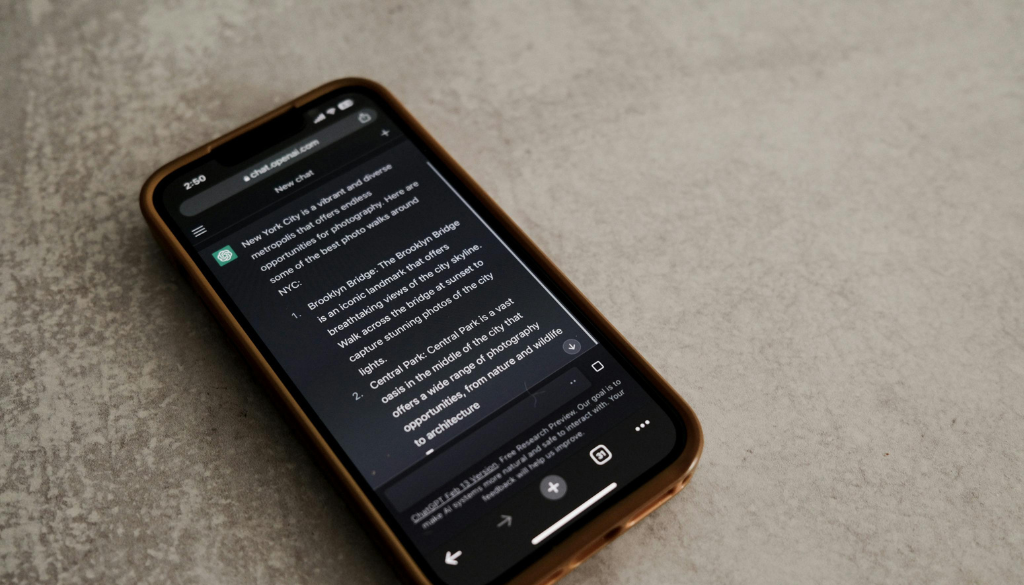
OpenAI flipped the switch. As of February 9, ChatGPT has begun rolling out ads to users in the United States for the first time.
The test targets logged-in adults on the Free and Go ($8/month) tiers. If you pay for Plus, Pro, Business, Enterprise, or Education, you will not see ads.
What the Ads Actually Look Like
Sponsored content appears in a labeled section beneath ChatGPT’s response. It is visually separated from the answer itself. OpenAI matches ads to users based on what they are talking about, what they have talked about before, and how they have interacted with previous ads.
If you ask about recipes, you might see a meal kit ad. If multiple advertisers qualify, ChatGPT picks the most relevant one.
OpenAI has been firm on one point: ads do not influence the AI’s answers. The model does not know an ad is there. It cannot reference one unless the user explicitly asks.
The Guardrails
According to OpenAI’s Help Center, advertisers never see your conversations, chat history, name, email, or precise location. They get aggregate numbers only: views and clicks.
Ads will not show up during conversations about health, mental health, or politics. Advertisers are also blocked from running ads in categories like dating, financial services, and political campaigns.
Users can dismiss ads, delete ad data with one tap, and turn off personalization. There is also an opt-out path for Free users who would rather have fewer daily messages than see ads at all.
Who Is Already In
This is not a hypothetical pilot. Adobe, Omnicom, and WPP are among the early partners testing ad placements inside ChatGPT. Adobe is running ads for Acrobat Studio and Firefly through the program.
OpenAI’s ads lead Asad Awan also described a future where small businesses skip dashboards entirely and just describe their advertising goals in plain language. The AI handles the rest.
The Industry Reaction
The timing was hard to miss. Anthropic ran a Super Bowl ad the day before OpenAI’s launch that appeared to mock the idea of ads inside AI chatbots. The company followed up with a blog post saying ads in Claude would be incompatible with the product’s purpose.
Google has signaled it may bring ads to Gemini, though DeepMind CEO Demis Hassabis called OpenAI’s timing premature. Google already serves ads in AI Overviews, so the extension feels inevitable.
What This Signals for Marketers
This is the moment Answer Engine Optimization meets paid media. For the first time, brands can show up in an AI chatbot through both organic answers and paid placements.
The good news: OpenAI’s separation between ads and organic answers means the fundamentals of AEO have not changed. Structured, authoritative content is still how you earn visibility in the answer. But now there is a paid lane running alongside it.
As we outlined in our breakdown of AEO vs. SEO vs. GEO, these disciplines keep stacking on top of each other. Paid AI placement is just the newest layer. The brands that understand all of them will have the clearest advantage.
The Bottom Line
ChatGPT ads are here, they are rolling out, and the biggest names in advertising are already testing them. Whether OpenAI can monetize conversations without eroding the trust that made ChatGPT valuable in the first place is the open question.
For marketers, the playbook is straightforward: keep investing in organic AI visibility through AEO, and start watching this paid channel closely. If you want to understand how to get your brand cited by the major AI platforms, that work matters more now than it did last week.
Businesses interested in advertising inside ChatGPT can sign up at openai.com/advertisers.
