Quick Summary
- OpenAI launched ChatGPT Images 2.0 on April 21, 2026, as its first image model with native reasoning.
- The model can generate up to eight coherent images from one prompt, at 2K resolution, with stronger text and UI rendering.
- It runs in Instant and Thinking modes, with Thinking reserved for paid tiers and more accuracy-sensitive use cases.
- Images 2.0 is also built into Codex, which collapses design and development workflows inside the same environment.
- The big shift is strategic: OpenAI is treating image generation as a reasoning layer, not just a rendering tool.
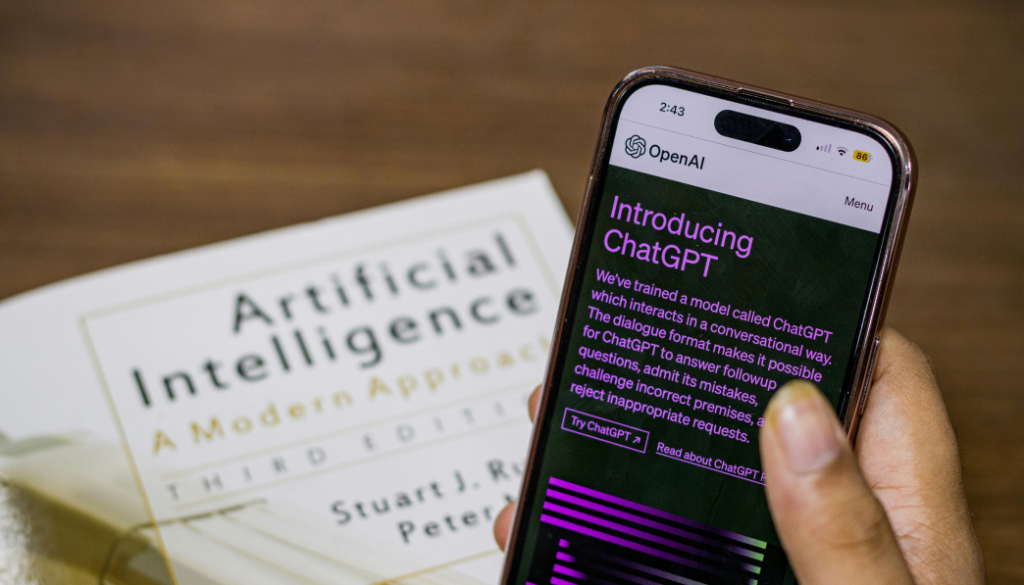
OpenAI just made its biggest image model move in years. On April 21, 2026, the company launched ChatGPT Images 2.0, the first image generator with native reasoning built into the model itself.
This isn’t a better-looking DALL-E. It’s a system that can search the web, generate up to eight coherent images from a single prompt, and double-check its own outputs before delivering results.
The model is available via the API as gpt-image-2 and is rolling out to all ChatGPT and Codex users, with advanced features gated behind Plus, Pro, and Business subscriptions.
The framing matters as much as the product. OpenAI isn’t pitching this as “a better image generator.” It’s positioning Images 2.0 as a “visual thought partner,” a shift from rendering tool to creative collaborator. And if you track where OpenAI is placing its bets, that tells you something about where the broader AI platform landscape is heading next.
What is ChatGPT Images 2.0?
Summary: ChatGPT Images 2.0 is OpenAI’s latest image model, and the first one with native reasoning, web search, and self-verification built in.
ChatGPT Images 2.0 is OpenAI’s latest image generation model, launched April 21, 2026. Available via the API as gpt-image-2, it’s the first image model with native reasoning capabilities. It can generate up to eight coherent images from a single prompt at 2K resolution, search the web for real-time information, and verify its own outputs. It operates in two modes: Instant for fast generation and Thinking for accuracy-critical tasks.
Two Modes: Instant and Thinking
Summary: Instant is for speed, while Thinking is for accuracy, consistency, and more deliberate image planning.
The model operates in two distinct modes, and the distinction is important for anyone planning to use this in production workflows.
Instant mode is fast output, designed for quick generation when you need an image and you need it now. Thinking mode is the headline feature: a slower, more deliberate process where the model reasons through the structure of an image before generating it. This is specifically designed to maintain character and object consistency across multiple frames, opening up workflows for manga, storyboarding, and multi-scene design that previous models consistently struggled with.
OpenAI described it this way in their launch post: when a thinking or pro model is selected, Images 2.0 can search the web for real-time information, create multiple distinct images from one prompt, and double-check its own outputs. The model takes on more of the heavy lifting between idea and image, especially when accuracy, up-to-date information, consistency, and visual cohesion matter most.
That’s a meaningful shift in how image generation works. Most image models treat each output as a one-shot render. Images 2.0 is closer to how a human designer works: think, draft, check, revise. It also shares DNA with what we’re seeing across agentic AI systems, where the model plans, acts, and verifies rather than simply responding.
What Images 2.0 Does Better
Summary: Images 2.0 is a step change for fine detail, multilingual text, and flexible output formats.
The release is a step change in three specific areas that have historically broken image generators.
First, fine-grained elements. Small text, iconography, UI elements, and tight compositions are notoriously hard for image models. Images 2.0 can handle them at up to 2K resolution via the API. That’s a big deal for anyone generating assets that will actually ship: product mockups, social graphics, educational diagrams.
Second, multilingual support. The model shows significant gains in rendering non-Latin text, particularly Japanese, Korean, Chinese, Hindi, and Bengali. Earlier image models could approximate non-Latin scripts but frequently produced garbled results in dense text. That was an accessibility and global-reach problem that just got meaningfully smaller.
Third, flexible aspect ratios. Outputs can be generated from 3:1 wide to 1:3 tall, meaning banners, mobile screens, posters, and social graphics are ready-to-use without post-processing.
| Feature | Images 2.0 | Availability |
|---|---|---|
| Max Resolution | 2K (above 2K in API beta) | All users |
| Images Per Prompt | Up to 8 coherent images | All users |
| Thinking Mode | Reasoning before generation | Plus, Pro, Business |
| Web Search | Real-time information retrieval | Thinking/Pro only |
| Aspect Ratios | 3:1 wide to 1:3 tall | All users |
| Knowledge Cutoff | December 2025 | All users |
| Codex Integration | Native image generation | ChatGPT subscribers |
The Competitive Pressure Behind the Launch
Summary: Images 2.0 is OpenAI’s answer to rising competitive pressure from Google and the broader image leaderboard.
This launch doesn’t exist in a vacuum. On the LM Arena text-to-image leaderboard as of early April, Google’s Gemini model held first place, with OpenAI’s gpt-image-1.5 in second. That’s a problem for a company that wants to own the creative interface. Images 2.0 is the response.
There’s also a product-lifecycle angle. DALL-E 2 and DALL-E 3 are being retired on May 12, 2026. OpenAI needed a next-generation replacement both commercially and strategically, and Images 2.0 fills that slot. As The New Stack reported, the launch puts OpenAI back in contention at the top of the leaderboard while retiring the legacy models that built the category.
Is DALL-E still available? DALL-E 2 and DALL-E 3 are scheduled for retirement on May 12, 2026. ChatGPT Images 2.0 (gpt-image-2) replaces them as OpenAI’s primary image generation model going forward. Earlier generations remain accessible until the retirement date.
Codex Integration: Images Inside the Dev Environment
Summary: OpenAI is collapsing design and development workflows by putting image generation directly inside Codex.
One of the more interesting pieces of this launch is where Images 2.0 shows up. It’s native to Codex, OpenAI’s coding environment, which means developers can generate UI directions, prototypes, and visual comparisons inside the same workspace they use for app development and slide decks.
Codex users can access image generation using their existing ChatGPT subscription, no separate API key required. That’s a quiet but significant move: OpenAI is collapsing the distinction between design and development workflows. Generate a UI mock, compare options, push the strongest result to production, all without leaving the environment.
For the creative professional workflow, Canva’s creative strategist Dwayne Koh put it plainly in a statement provided by OpenAI: the model wasn’t just rendering images, it was interpreting briefs, understanding audiences, and making creative decisions behind the scenes.
The Limitations
Summary: Images 2.0 is strong, but OpenAI is clear about where it still struggles.
OpenAI is unusually direct about what Images 2.0 still can’t do well, and it’s worth noting.
The model still struggles with tasks requiring a coherent physical-world model: origami guides, Rubik’s Cubes, objects on reversed or angled surfaces. Very fine or repetitive visual detail, like grains of sand, can still exceed the model’s fidelity limits. Labels and part diagrams may need manual review. OpenAI calls these “important frontiers for future work.”
There’s also a practical issue that early users have already flagged. Wharton professor and AI researcher Ethan Mollick noted on X that the model exhibits what he calls the “typical imagegen problem”: edits work well for the first round or two, then progress stalls. His workaround is to drop the image into a fresh chat to reset the context. If you’re planning iterative workflows, that matters.
What This Signals About OpenAI’s Strategy
Summary: OpenAI is treating image generation as a reasoning layer and a primary interface, not a standalone feature.
The most interesting thing about Images 2.0 isn’t the feature list, it’s the positioning. OpenAI is treating image generation as a core interface layer rather than a standalone feature. That’s a bet that visual output is becoming a primary mode for interacting with AI, not a supplementary capability tacked onto a chat window.
Consider the signal: native reasoning inside the image model, web search inside the image model, self-verification inside the image model. This isn’t how you build a feature. It’s how you build an interface. And for marketers, creators, and product teams, that’s a tell about where the platform is heading.
If image generation becomes a primary interface, brand visibility inside AI-generated imagery becomes a conversation worth having. We’ve written before about why Answer Engine Optimization matters for brand visibility in AI search, and how AEO is reshaping what marketers optimize for. Brand visibility in AI visual output is the next frontier, and it’s one marketers should start tracking now.
Bottom line: OpenAI just made image generation a reasoning problem, not a rendering problem, and that changes what “creative AI” actually means.
Stay ahead of the AI shift. Prompt Insider publishes weekly breakdowns on AEO, AI search, and the tools marketing teams need to stay visible. Subscribe to the newsletter for the next piece delivered straight to your inbox.
FAQs
When did ChatGPT Images 2.0 launch?
OpenAI launched ChatGPT Images 2.0 on April 21, 2026. The new model is available via the API as gpt-image-2 and is rolling out to all ChatGPT and Codex users, with advanced Thinking mode features restricted to Plus, Pro, and Business subscribers.
What makes Images 2.0 different from DALL-E?
Images 2.0 is OpenAI’s first image model with native reasoning capabilities. Unlike DALL-E, which produces single outputs per prompt, Images 2.0 can generate up to eight coherent images, search the web for real-time information, and verify its own outputs. It also supports 2K resolution, flexible aspect ratios, and significantly improved non-Latin script rendering.
How much does ChatGPT Images 2.0 cost?
The model is free to use at the base level for all ChatGPT users. Thinking mode and web search capabilities require a paid plan: Plus, Pro, or Business. API pricing through gpt-image-2 varies based on output quality and resolution, with outputs above 2K available in beta.
Will DALL-E still be available?
DALL-E 2 and DALL-E 3 are scheduled for retirement on May 12, 2026. ChatGPT Images 2.0 replaces them as OpenAI’s primary image generation model.
Can Images 2.0 be used inside Codex?
Yes. Images 2.0 is natively integrated into OpenAI’s Codex coding environment. Codex users can generate UI directions, prototypes, and visual comparisons using their existing ChatGPT subscription, with no separate API key required.
What are the limitations of ChatGPT Images 2.0?
The model still struggles with physical-world reasoning tasks like origami guides and Rubik’s Cubes, very fine repetitive detail, and iterative editing beyond a couple of rounds. Labels and part diagrams may need manual review. OpenAI describes these as frontiers for future work.
About the author
Kai Williams
Kai Williams has been in marketing for years, with a long background in SEO before AEO had a name. He stepped into Answer Engine Optimization the moment AI started reshaping how people search, and has been tracking the shift ever since. At Prompt Insider, he covers AEO, AI marketing, and the future of search, breaking down what is changing and what brands need to do about it.